Terafab Trading App is a sophisticated AI-powered Terafab Trading App trading system relied upon by countless traders across . Signing up for Terafab Trading App takes only two minutes — create your account for free, try out the Terafab Trading App demo, and embark on your Terafab Trading App investment adventure. Join the growing group that has rated Terafab Trading App reviews as some of the best in the sector.

Terafab Trading App is a sophisticated AI-powered Terafab Trading App trading system relied upon by countless traders across . Signing up for Terafab Trading App takes only two minutes — create your account for free, try out the Terafab Trading App demo, and embark on your Terafab Trading App investment adventure. Join the growing group that has rated Terafab Trading App reviews as some of the best in the sector.
What exactly is Terafab Trading App? It’s a revolutionary Terafab Trading App trading software that utilizes its unique artificial intelligence to monitor cryptocurrency, forex, and stock markets in real-time. The Terafab Trading App algorithm analyzes vast amounts of data in seconds, pinpointing lucrative opportunities ahead of market shifts. Whether you’re a seasoned day trader or a curious newcomer to Terafab Trading App trading, our platform caters to your expertise and aspirations.
An abundance of Terafab Trading App consumer reviews back our findings: traders using the Terafab Trading App platform gain access to high-level analytics once only available to hedge funds and financial institutions. The built-in copy-trading feature allows you to replicate the strategies of top traders, making it simple to earn money with Terafab Trading App while you enhance your skills. Each Terafab Trading App trade is supported by clearly explained AI insights, helping you understand why certain opportunities were chosen.
Safety is a core pillar of the Terafab Trading App trading system — robust AES-256 encryption and required two-factor authentication secure every Terafab Trading App login. Regular audits from independent cybersecurity experts confirm our infrastructure’s reliability, making Terafab Trading App a secure choice beloved by traders throughout and beyond. Visit the Terafab Trading App website to check our security credentials.
The rise of artificial intelligence and machine learning has dramatically changed the landscape of financial trading, ushering in a time when extensive streams of data can be processed and understood in the blink of an eye. Unlike traditional discretionary trading that heavily relied on human intuition and manual charting, the advent of neural networks, natural language processing, and reinforcement learning models has enabled algorithms to capture subtle interconnections across numerous instruments at once. These technologies can digest earnings reports, central bank communiqués, satellite views of retail traffic, and shipping log data to generate insights that would challenge even the savviest human analyst. The combined influence of reduced computational costs, expansive datasets, and advanced model architectures ensures that the threshold for AI-enhanced trading continues to decline, helping retail traders who were once left out of the loop.
Algorithmic trading boasts a rich legacy dating back to the electronic market boom of the 1970s when the New York Stock Exchange unveiled its Designated Order Turnaround system for electronic order routing. Throughout the 1980s and 90s, pioneering quantitative hedge funds like Renaissance Technologies and D.E. Shaw showcased that data-driven methods could yield consistent returns surpassing conventional stock-picking strategies. By the 2000s, high-frequency trading firms had emerged, executing millions of transactions daily and seizing fleeting market inefficiencies. Today, the widespread availability of algorithmic tools has enabled individual traders to apply strategies that were once exclusive to multi-billion dollar funds. Thanks to cloud computing resources, open-source libraries offering pre-built machine learning tools, and retail-friendly platforms that package this tech intuitively, traders can now engage without needing coding skills.
Automated portfolio management brings a wealth of benefits over manual trading, especially for those who can’t dedicate their entire day to market watching. Systematic rebalancing makes sure that portfolio distributions align with set risk thresholds, automatically trimming back on positions that have ballooned and boosting those that are underrepresented. This methodical strategy removes emotional pitfalls typical to discretionary traders, like hovering over disappointing trades hoping for a rebound or prematurely closing winning trades out of fear. Furthermore, automated systems can simultaneously execute intricate multi-leg strategies across various asset categories, maintaining hedged positions and seizing opportunities that would be daunting to navigate manually. The end result is a trading experience that is consistent and less stress-inducing, able to operate constantly without fatigue.
Data-driven trading signifies a seismic shift, moving away from intuition and anecdotal evidence towards a disciplined, evidence-based trading philosophy. By compiling and evaluating historical price trends, volume data, order book depths, options activity, and broader economic signals, traders can establish a quantitative model for assessing opportunities. Statistical techniques such as regression analysis, time series breakdown, and Monte Carlo simulations offer a mathematically sound backing for predicting chances and expected returns. The principal benefit of this methodology lies in its replicability and testability: traders can formulate hypotheses, validate them against historical data, confirm efficacy during out-of-sample tests, and refine them over time. This scientific approach diminishes the effects of cognitive biases such as confirmation bias, anchoring, and recency bias, which behavioral finance research has shown to lead to poor trading outcomes.
Diversifying across multiple asset classes is one of the most foundational concepts in portfolio strategy, stemming from the groundbreaking work by Harry Markowitz on optimizing returns versus risk. By distributing investments among assets that exhibit little to no correlations—such as stocks, bonds, commodities, currencies, and cryptocurrencies—investors can achieve a more favorable risk-return relationship than if they concentrate on any single asset. For instance, in times of turmoil in the stock markets, government securities and gold typically cushion overall portfolio losses. In the realm of cryptocurrency, the relationship between digital currencies and traditional markets fluctuates significantly, offering chances for dynamic allocation strategies. A well-diversified portfolio also mitigates the effects of specific risks, like regulatory scrutiny on a particular cryptocurrency or financial underperformance from a single entity, ensuring that no single misstep can lead to devastating losses.
Backtesting is a crucial process in crafting any reliable trading strategy, simulating historical performances under actual market circumstances. A meticulous backtesting approach involves establishing explicit entry and exit criteria, detailing position sizing and risk management parameters, then applying these rules to past price data across diverse market conditions, including bullish, bearish, fluctuating, and highly volatile environments. Key factors include accounting for transaction costs, slippage, and market effects, which can severely diminish the effectiveness of strategies that seem appealing in frictionless scenarios. Walk-forward analysis, wherein the strategy is fine-tuned during one period and validated in a subsequent out-of-sample timeframe, helps safeguard against overfitting—the risky practice of tailoring a model too closely to historical randomness instead of genuine signals. Traders should also perform sensitivity analysis to grasp how strategy performance changes with variations in key parameters, confirming that results are resilient rather than merely reliant on a narrow set of assumptions.
Comprehending market microstructure and order flow offers traders insights into the intricate processes behind price movement and liquidity management. Market microstructure examines how exchanges pair buy and sell orders, how market-makers establish bid-ask spreads, and how prices reflect information through the interactions of informed and uninformed actors. Analyzing order flow reveals the order sequence and volume to spot mismatches between buying and selling pressures, which often occur before price shifts. Tools such as volume profiles, footprint charts, and order book heatmaps help traders visualize where significant liquidity exists and where it is lacking, identifying potential support and resistance areas based on actual trading behavior rather than just technical signals. Understanding elements like order book depth, time & sales data, and the differences between passive versus aggressive orders provides traders with an analytical edge that complements traditional technical and fundamental frameworks.
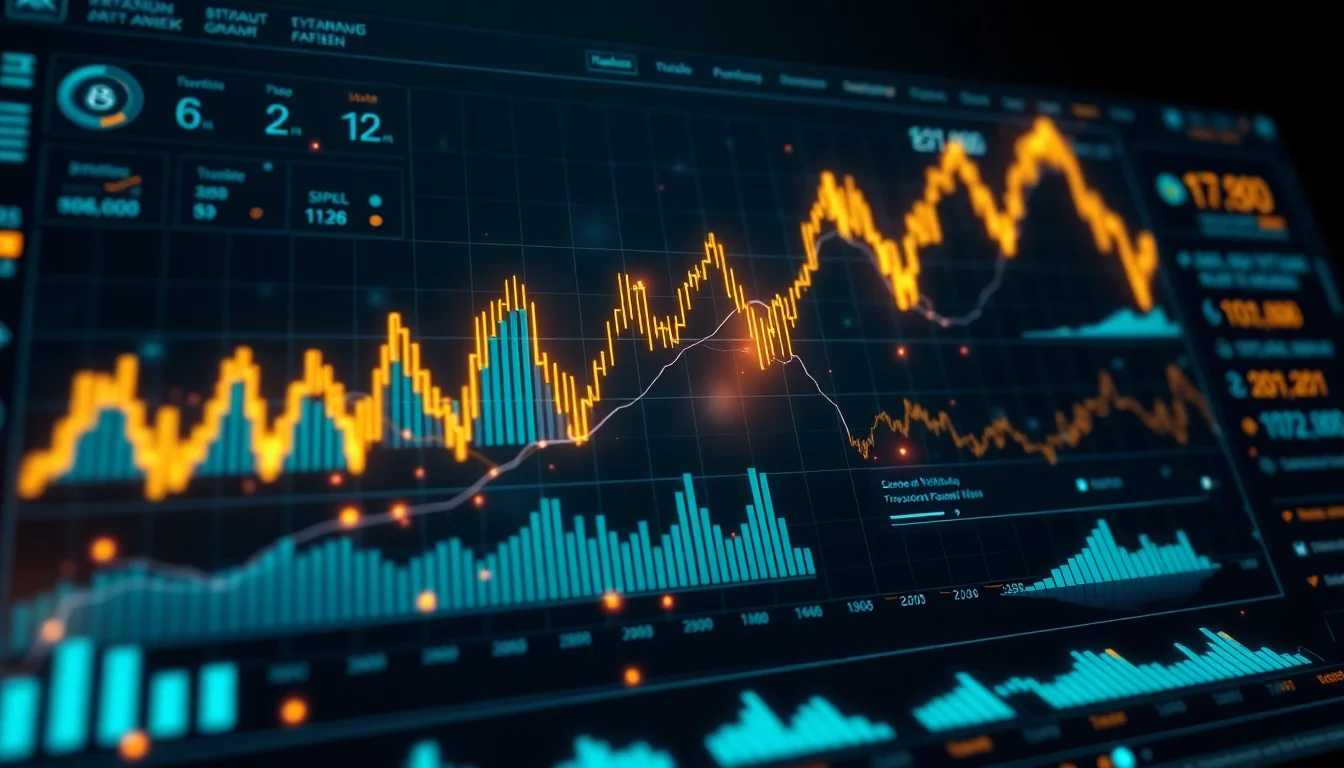
The Terafab Trading App platform centralizes all facets of contemporary trading within one simple-to-navigate interface. Gain access to real-time pricing, Terafab Trading App AI-generated signals, portfolio insights, and automated risk management — without hopping between different tools. Whether you’re into day trading or long-term Terafab Trading App investments, our platform equips you to execute your strategies seamlessly. Traders in can tap into specialized market insights, and the Terafab Trading App app puts that power in your hands on the go. This is precisely how Terafab Trading App operates — cutting-edge technology simplified into a user-friendly experience. The combination of charting features, order management systems, risk analytics, news updates, and performance tracking into a unified space eliminates the mental strain of toggling between various applications, each with its own logins and formats. Research shows that frequent context switching imposes cognitive tax, diminishing decision quality and increasing response time. By bringing all critical trading features into one smooth workflow, traders can maintain their attention on analyzing the markets rather than wrestling with scattered tools, allowing for quicker and more confident action on opportunities. A unified platform also ensures that every component draws from the same up-to-date data stream, mitigating the lag and discrepancies often found when traders use separate platforms for charting, execution, and portfolio monitoring. This architectural advantage is particularly paramount during rapid market shifts such as announcements from central banks, earnings reports, or geopolitical events, where even a second’s delay between receiving a cue and executing a trade can change the course of capturing an advantageous position or missing out entirely. Analyzing cross-asset correlations becomes significantly more effective in a cohesive environment that can simultaneously evaluate price trends, volatility measures, and order flow across stocks, currency pairs, commodities, and digital currencies. Traders can craft custom correlation charts, keep track of rolling correlation coefficients in real-time, and receive notifications when historically connected assets start to deviate — a occurrence that frequently indicates a potential return to equilibrium or a shift in market phase. This multi-faceted overview of inter-market connections allows for advanced hedging tactics and portfolio assembly methodologies that would be unmanageable using isolated tools. Ongoing portfolio observation provides consistent insight into total exposure, unrealized gains and losses, margin usage, and risk indicators like value-at-risk and maximum drawdown. Instead of waiting for daily summaries or manually calculating portfolio metrics, traders receive immediate insights as fluctuations occur within positions, enabling timely adjustments to sustain their desired risk profile. Alerts can be set up to notify you when certain thresholds are breached, such as when total portfolio losses surpass a defined percentage, or when an individual position exceeds its intended allocation, ensuring that risk management is proactive rather than reactive.


Every recommendation generated by the Terafab Trading App trading software is grounded in a clear explanation. Our AI engine articulates exactly why a specific opportunity was chosen — detailing detected patterns, measured sentiment changes, and aligned macro indicators. Does Terafab Trading App deliver? The analytics tell the story: verified performance data is accessible to all registered members. This straightforward and transparent approach allows traders to grow their knowledge while they trade, turning complex market data into useful guidance. Terafab Trading App is it dependable? Our proven history and ever-growing community of satisfied traders confirm its reliability. Explainable AI has become a key aspect of ethical financial tools, driven by the understanding that both traders and regulators need clear insights into the reasoning behind automated suggestions. Unlike obscure black-box models that yield outcomes with no explanation, our systems break down their decision-making steps into understandable parts, such as the relative influence of technical indicators, the sentiment analysis derived from recent news, and the broader context that shaped the overall evaluation. This openness not only fosters user trust but also empowers them to enhance their analytical competencies by examining the logic behind each signal, effectively turning each trading alert into a valuable learning moment. Trust serves as the cornerstone of a fruitful relationship between a trader and an automated system, and transparency is the means through which that trust is built and sustained. When users can see the specific data inputs that led to a suggestion and how those inputs were prioritized, they gain the courage to promptly act on signals without second-guessing the system at crucial junctures. This confidence is particularly vital during turbulent market environments, where emotions can sway judgment and the temptation to override systematic signals for impulsive choices is strongest. A transparent system serves as an objective anchor that aids traders in remaining disciplined and consistent in their methodologies. The interplay between model sophistication and interpretability is a key challenge in financial machine learning, since more sophisticated models like deep neural networks and ensemble techniques may achieve higher predictive accuracy but sacrifice clarity. Simpler models such as linear regression or decision trees are generally more interpretable but might overlook non-linear dynamics that characterize financial markets. Contemporary techniques aim to reconcile this balance using methods like SHAP values, LIME explanations, and visualization of attention mechanisms, which can deliver understandable insights into the workings of complex models without diminishing their predictive capacity. These interpretability strategies enable traders to grasp not only what the model predicts, but which features inform that prediction and how shifts in input variables influence outputs. Regulating bodies across the globe are increasingly mandating financial technology firms to prove that their algorithmic systems are fair, clear, and accountable. The EU’s Markets in Financial Instruments Directive requires algorithmic trading firms to maintain comprehensive records of their algorithms’ functions and to provide explanations of their behavior to regulators upon request. Similar regulatory frameworks are emerging in North America and the Asia-Pacific area, underscoring a worldwide agreement that algorithmic transparency is critical for market integrity and safeguarding retail traders. Companies that invest in explainability infrastructure today position themselves advantageously for the evolving regulatory climate.
The Terafab Trading App AI engine analyzes millions of market data points every instant, uncovering rising trends and micro-patterns unseen by the naked eye. Get pinpoint buy-and-sell signals powered by neural network models honed on years of historical Terafab Trading App stock price information. Our Terafab Trading App bot stays vigilant around the clock — monitoring the markets so you don’t have to. Modern trading analytics utilize convolutional neural networks for discerning patterns in price movements, recurrent structures for forecasting sequential series, and attention-centered transformer models for handling diverse data streams including textual, numerical, and order flow simultaneously. These intricate model systems can reveal complex nonlinear interdependencies between hundreds of input variables that traditional methods simply can't capture.
Download Terafab Trading App app on iOS or Android to oversee your portfolio from anywhere in . The Terafab Trading App trading app offers the same top-tier analytics found on the desktop platform along with one-tap order execution. Getting the Terafab Trading App app is free and takes less than a minute — just look for Terafab Trading App in your device’s app store. Mobile trading has transformed how retail participants engage with financial markets, allowing for real-time management of portfolios from virtually any location with internet access. Research indicates that mobile traders can respond faster to breaking news and market-changing announcements, as push notifications deliver alerts directly to their devices without requiring them to be stationed at a desktop.
Safeguard your investments with the suite of automated risk management tools found in the Terafab Trading App trading software. Establish dynamic stop-loss limits, set position size caps, and activate trailing stops to secure profits. The Terafab Trading App algorithm modifies risk measures in real-time to match current market fluctuations, keeping your exposure within your preferred bounds. Effective risk management is often viewed as the most crucial element for prolonged trading success, frequently outweighing the accuracy of entry signals. Professional risk management structures implement multiple layers of protection, incorporating individual trade stop losses, daily loss ceilings, maximum portfolio drawdown limits, and understanding correlation-aware position sizing that prevents overexposure to correlated assets.
Access cryptocurrencies, forex pairs, commodities, and stock indices from one comprehensive Terafab Trading App platform dashboard. Smooth execution across different asset classes allows you to blend strategies, hedge positions, and optimize your Terafab Trading App investment portfolio effortlessly across various markets. Multi-asset trading platforms empower portfolio-level strategy instead of individual asset isolation, enabling traders to gauge their whole exposure across asset categories in one comprehensive risk interface. Cross-margining features can enhance capital efficiency by acknowledging offsetting positions among related assets, allowing for more margin to pursue further opportunities.
Are you just stepping into the trading arena? The Terafab Trading App demo account provides a sandbox for you to play with simulated funds before you dive into the deep end with your own money. Experience the full array of tools on the Terafab Trading App trading platform without the risk of losing cash. There's no need for a credit card — you just need to register with Terafab Trading App, and voilà, your practice account is ready to go. Demo accounts are fantastic learning tools, allowing traders to hone their skills and experiment with tactics in an environment that mimics the actual market dynamics. Financial professionals often suggest that beginners should invest several weeks practicing on demo accounts before moving to real trading, using that time to grow comfortable with various order types, risk management strategies, and the emotional rollercoaster of real-time market movement.
Easily adopt the playbooks of elite traders with just a click. The Terafab Trading App algorithm evaluates traders based on authenticated results, risk assessments, and historical downturns, providing you with clear insight. Check out the recent Terafab Trading App trading system reviews to discover which copy-trading strategies are shining stars among users. Thanks to social trading networks, everyone now has access to professional strategies, allowing novice traders to effortlessly follow the trades of proven top performers. This collaborative setup fosters a healthy environment, rewarding adept traders with followers and fees while enabling newcomers to glean knowledge from observing the habits and risk strategies of high achievers in real time.
All communications to and from the Terafab Trading App platform are safeguarded with AES-256 encryption, the same robust standard utilized by global governments and financial entities. This is a pivotal reason why Terafab Trading App is a secure option for traders in . AES-256 utilizes a symmetric key of 256 bits, making it nearly impossible to breach through brute-force attempts with current or anticipated technology. Moreover, this encryption standard is recognized by the National Institute of Standards and Technology and is authorized for protecting classified data up to the highest security level.
Every Terafab Trading App login needs a second verification code, which can be sent via an authenticator app or text message. This guarantees that even if login details fall into the wrong hands, intruders won’t get in. The Terafab Trading App trading system login has a flawless security track record. Experts in security recommend using time-based one-time password apps over SMS due to their immunity against SIM-swapping and phone interception. It’s advisable to use a special hardware security key for significant accounts and to activate biometric authentication for added convenience.
Third-party cybersecurity specialists perform quarterly penetration tests and code reviews of the Terafab Trading App infrastructure. Any vulnerabilities are patched within forty-eight hours, which is why our Terafab Trading App platform reviews frequently commend our security measures. Our audit processes adhere to reputable frameworks like OWASP for web application assessments and NIST for thorough infrastructure evaluations. These audits simulate genuine attack scenarios, including injection attacks, cross-site scripting, privilege escalation, and denial-of-service maneuvers to expose and fix vulnerabilities before they can be exploited.
The Terafab Trading App macro scanner is always on the lookout for central bank updates, employment statistics, and GDP shifts from over thirty economies, including . By linking these insights with live asset prices, the platform highlights high-probability trade opportunities. People often wonder how does Terafab Trading App work — this macro approach lays the groundwork for our edge. The methodology of macroeconomic analysis incorporates the tracking of leading, coincident, and lagging indicators to form a holistic view of economic vitality and direction. Leading indicators such as purchasing manager indices, building permits, and consumer confidence surveys signal potential economic shifts, while coincident indicators like industrial output and retail sales reflect the current condition. Lagging indicators, including unemployment rates and corporate profits, confirm trends post-establishment.

With the help of powerful deep-learning networks, the Terafab Trading App algorithm uncovers repeating chart patterns—from double-tops and head-and-shoulders to intricate harmonic shapes—with a historical accuracy rate exceeding ninety-two percent. The Terafab Trading App bot actively employs these patterns across all supported asset types. The evolution of pattern recognition in finance has been remarkable, taking leaps from manual charting to cutting-edge computer vision techniques that can evaluate thousands of assets concurrently across various time intervals. Deep learning algorithms trained on countless historical chart visuals can spot nuanced deviations of classic patterns that human analysts might overlook, gauging the statistical credibility of each pattern based on context like trade volume, trend alignment, and closeness to vital support and resistance levels.

Financial markets are always bustling, and so is Terafab Trading App. Our system stays active continuously, scanning exchanges worldwide and sending alerts as soon as a promising setup arises. Whether you engage with the Terafab Trading App app on your phone or via the desktop Terafab Trading App website, you’ll receive ultra-fast notifications. Around-the-clock market watching is especially advantageous for traders involved in global markets across different time zones, from the opening bells of Asia in Tokyo, through Europe's session in London, all the way to North America's session in New York. With cryptocurrency markets operating nonstop and forex markets active for nearly six days weekly, consistent automated monitoring guarantees that significant opportunities and risk factors are never overlooked, regardless of your local time or personal commitments.

The Terafab Trading App trading platform was crafted to equip individual traders with the same analytical prowess that institutional hedge funds leverage. Experience lightning-fast order execution, strategically set servers in Toronto, New York, and London, and a dedicated support team ready to help around the clock — every aspect of Terafab Trading App showcases our pursuit of excellence. Head over to the Terafab Trading App official website to discover why our community in and beyond continues to expand. Is Terafab Trading App legit? Our clear track record, regulated partnerships, and a plethora of positive Terafab Trading App reviews confirm our credibility. Co-located trading infrastructure provides a measurable advantage in execution speed by closing the gap between trading servers and exchange matching engines. When servers reside in the same data center as exchanges, network delays shrink to microseconds rather than milliseconds common with remote connections. This proximity ensures quicker order deliveries to the exchange, minimizing the risk of slippage during the trading decision to filling the order. For traders making dozens or hundreds of trades each day, even slight enhancements in fill prices lead to substantial performance variations over time, isolating infrastructure quality as a legitimate competitive advantage rather than mere technical details. Execution speed becomes crucial during heightened market fluctuations, such as around key economic announcements or geopolitical surprises. In those fleeting moments, prices can shift dramatically in fractions of a second, and traders using slower connections may discover their orders filled at significantly different prices or even rejected due to stale quotes. A robust infrastructure featuring multiple connections, fail-safes, and managed order routing guarantees steady execution quality regardless of what's happening in the market, providing the reliability that serious traders count on when putting their capital at stake in dynamic environments. Our dedicated support team combines extensive financial market expertise with technical know-how, enhancing the trading experience by addressing issues promptly and delivering insights that transcend standard troubleshooting. Whether a trader seeks help configuring risk settings, grasping a specific analytical tool, or maneuvering the complexities of trading across diverse asset classes and time zones, our knowledgeable staff can offer timely, relevant aid to maximize users’ tools. This supportive layer of human interaction complements the automated capabilities of the platform, ensuring traders always have guidance through intricate situations. Community-driven development ensures that the platform evolves according to actual user needs and wishes. Regular feedback surveys, feature suggestions, and trial programs provide traders a direct line to influence the product development path, yielding enhancements that tackle real-world challenges instead of hypothetical scenarios. This collaborative approach fosters user investment in the platform's evolution and creates a constructive feedback loop where the platform continually refines based on the shared insights and experiences of its trading community.
Become a Part of Quantum Ai Today »
The Moving Average Convergence Divergence indicator available on the Terafab Trading App platform features enhanced AI smoothing that cuts down false signals by as much as forty percent when compared to traditional models. The MACD works by determining the difference between two exponential moving averages over various timeframes, usually twelve and twenty-six periods, and presenting this difference alongside a signal line in histogram format. Discrepancies between the MACD and price movements offer powerful insights, as they signal waning momentum that often foreshadows shifts in trends.
Terafab Trading App effortlessly charts Fibonacci levels onto any graph, merging them with volume profile insights to spotlight the key support and resistance areas that have statistical backing. The Fibonacci retracement method draws from a numerical sequence identified by Leonardo of Pisa, where each number arises from the addition of the two before it, leading to ratios like 0.236, 0.382, 0.500, and 0.618, which frequently manifest in both natural phenomena and financial contexts. In trading, these ratios are utilized to examine price movements, helping traders pinpoint possible reversal zones where buying or selling momentum could build during pullbacks within a larger trending cycle.
Our upgraded Stochastic Indicator combines multi-timeframe divergence insights, notifying you when momentum mismatches with the overarching trend — a compelling sign for potential reversals found within the Terafab Trading App trading software. Analyzing divergence in oscillators is known as one of the more dependable methods for spotting impending trend shifts, surfacing when the asset price reaches a new high or low that the oscillator doesn’t echo. Regular bearish divergence occurs when the price hits a higher peak while the oscillator rests at a lower one, hinting at a possible diminishing upward momentum. On the flip side, hidden bullish divergence, where the price sets a higher low while the oscillator sets a lower low, frequently suggests that the trend will persist.

Unravel collective psychology to predict market shifts
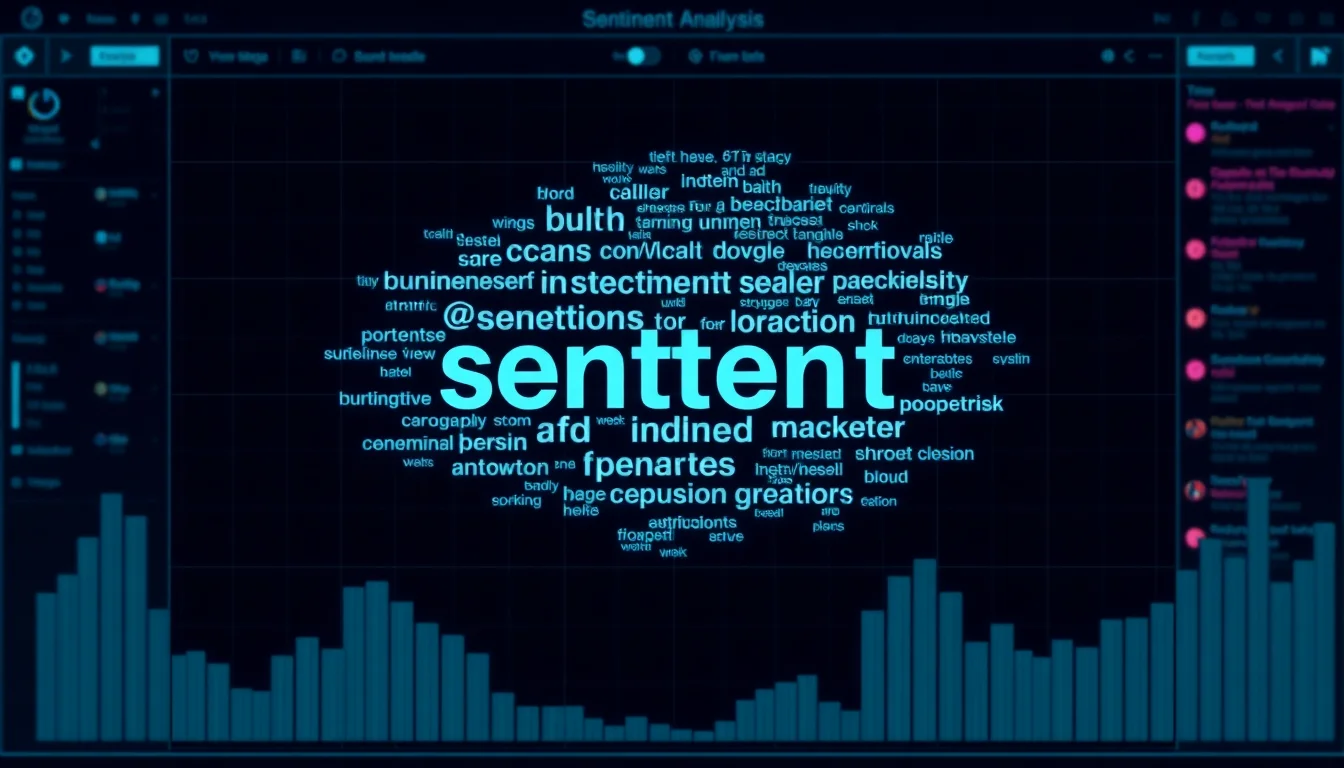
The Terafab Trading App sentiment analysis tool sifts through social media chatter, financial headlines, and blockchain metrics to formulate a unified mood index for each asset we track. When upbeat sentiment soars above typical measures, the system indicates that the asset might be overvalued; conversely, when apprehension rules, it showcases potential buying chances that go against the grain. Discussions in the Terafab Trading App forum and threads on Terafab Trading App reddit highlight this sentiment analysis feature as one of the standout tools on our platform. By quantifying the emotions often linked to irrational choices, Terafab Trading App AI converts instinctual feelings into actionable trading signals. Techniques in natural language processing form the backbone of the latest financial sentiment offerings, utilizing transformer architectures that get context, sarcasm, and jargon with impressive precision. These models draw from vast collections of financial writings, including analyst observations, earnings call transcripts, compliance documents, and social media commentary, equipping them to differentiate between genuinely optimistic perspectives and ironic or deceitful inputs. Named entity recognition finds specific assets, firms, or industries in discussion, while aspect-based sentiment analysis assesses whether the opinion pertains to price forecasts, fundamental soundness, management effectiveness, or macroeconomic aspects. The advanced nature of these language models now enables them to detect even slight tone changes between consecutive statements, signaling when a once-enthusiastic analyst becomes more cautious or when public excitement for a certain asset approaches euphoric heights. Social media has emerged as a formidable precursor to market fluctuation, especially within the realms of cryptocurrencies and retail-driven equities. Studies show that spikes in social media dialogues and shifts in overall sentiment often precede significant price changes by hours or even days. Platforms such as Twitter, Reddit, and niche financial forums provide an endless flow of real-time sentiment data, which, when accurately filtered and interpreted, can offer foresight into evolving trends, upcoming catalysts, or the spark of panic. However, the challenge remains in filtering out the noise, separating genuine insights from chatter generated by bots and orchestrated manipulation efforts, a task that calls for sophisticated filtering systems and anomaly detection. Behavioral finance gives the theoretical basis for why sentiment analysis is effective in trading, relying on extensive insights into the biases and emotional patterns that impact investor choices. Prospect theory, coined by Daniel Kahneman and Amos Tversky, shows that individuals tend to feel losses more acutely than equivalent gains, prompting uneven market responses to both positive and negative information. Herd behavior encourages investors to follow prevailing trends rather than performing independent evaluations, which amplifies market moves beyond what fundamentals would support. The disposition effect leads traders to sell winners too hastily while hanging onto losers for too long. By evaluating these behavioral trends in aggregate through sentiment data, trading algorithms can predict when the psychology of the masses might push prices to extremes that are bound to revert. One critical hurdle in sentiment assessment is the challenge of filtering out the noise — discerning valuable signals from the vast sea of irrelevant, misleading, or repetitive information that saturates social media and news landscapes. Advanced denoising strategies such as source credibility scoring assign more importance to historically reliable commentators and verified accounts; temporal decay weighting prioritizes recent sentiment over older observations; and anomaly detection algorithms help to spot and dismiss coordinated bot campaigns or attempts at sentiment manipulation through spam. Cross-referencing sentiment readings with quantitative market indicators like options flow, volume trends, and order book discrepancies offers an added layer of validation, making sure sentiment-driven signals are backed by observable market actions before taking steps.
Anticipate significant macro trends that influence asset movements
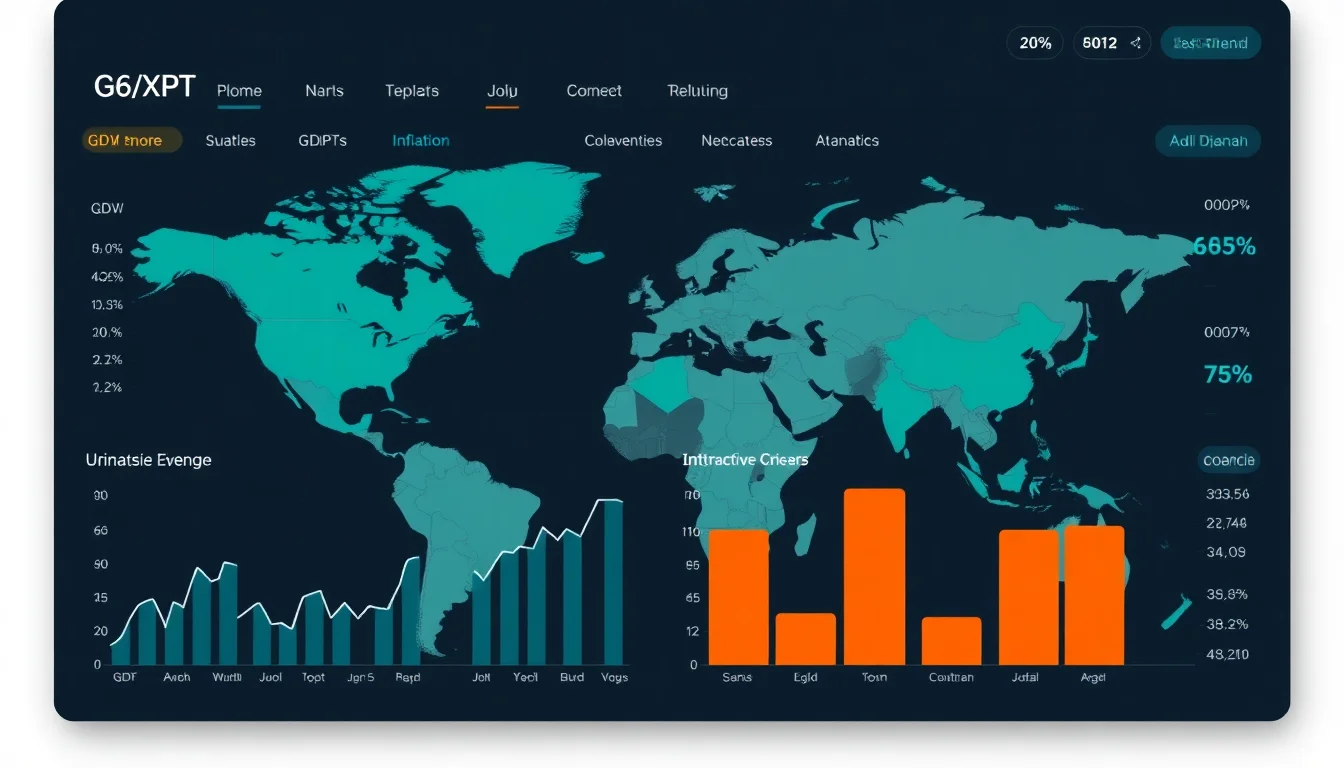
Terafab Trading App compiles economic data from central banks, statistics offices, and international trade bodies, showcasing it via user-friendly dashboards. Keep an eye on indicators like GDP expansion, inflation trends, interest rate forecasts, and trade balance fluctuations across key economies — featuring dedicated information for . Our Economic Momentum Score condenses numerous factors into one straightforward metric. Those exploring what is Terafab Trading App trading will find that this macroeconomic insight provides a substantial edge over traders who only rely on charts. Decisions made by central banks regarding monetary policy are pivotal in shaping asset valuations across all financial sectors, and grasping how adjustments to rates, quantitative easing efforts, and forward guidance impact various asset classes is crucial for serious traders. When central banks hike interest rates to tame inflation, bond yields typically rise while bond prices drop; meanwhile, equities in sensitive sectors like real estate and utilities generally suffer, and the local currency usually strengthens against others. In contrast, lenient monetary policy characterized by low rates and asset buy-back programs often lifts stock markets, compresses bond yields, and weakens the currency. The intricate relationship between anticipated and actual policy moves creates ripe trading chances, as markets tend to react more to surprising components of announcements than to the actual levels of rates themselves. The interplay of inflation, interest rates, and financial market outcomes remains a hot topic in economic studies and is vital for asset allocation strategies. Moderate inflation typically supports equity markets as companies can shift higher costs to consumers, while asset values appreciate in nominal terms. However, when inflation spirals out of control and central banks react with tightening measures, the sharp increase in discount rates can trigger a significant reevaluation across stocks, bonds, and real estate in tandem. Understanding the current inflation climate—whether it’s disinflationary, reflationary, or stagflationary—and its direction helps traders set their portfolios for the prevailing economic backdrop rather than fighting against powerful structural trends. Global trade intricacies heavily influence currency valuations, with trade balances, tariff announcements, supply chain disruptions, and international capital movements all affecting exchange rates. Nations that maintain persistent trade surpluses often see their currencies appreciate over time, while countries with trade deficits experience downward pressure. The interconnected web of modern global supply chains means that disruptions in a specific area — whether due to geopolitical tussles, natural calamities, or health crises — can send ripples through commodity values, shipping expenses, and production worldwide. For forex traders, tracking trade flow data, terms-of-trade measures, and cross-border investment trends provides essential context for grasping the fundamental forces that steer exchange rate shifts beyond short-term technical disturbances. Economic surprise indices, measuring the variations between real economic data and consensus estimates, have proven useful for timing market entries and exits. When data consistently overshoots expectations, it suggests that analysts are too pessimistic and that the economy is faring better than anticipated, typically bolstering risk assets and the local currency. Conversely, a series of unexpected downturns points to deteriorating conditions that the market may not fully reflect yet. These indicators compile surprises across various metrics, including employment figures, manufacturing reports, consumer confidence levels, and inflation data, offering a comprehensive overview of economic momentum that can be more actionable than examining any single data point in isolation.

Craft well-rounded portfolios spanning various asset classes with AI-informed allocation suggestions from the Terafab Trading App platform. Our algorithms are tailored to enhance risk-adjusted returns, making adjustments as market conditions shift — making them a perfect fit for long-term Terafab Trading App investment approaches. The principles of modern portfolio theory, first brought forth by Harry Markowitz, illustrate that blending assets with varying return profiles and low correlation can yield portfolios with superior risk-adjusted returns compared to holding any single asset alone. Smart asset allocation across stocks, bonds, commodities, and alternative investments like cryptocurrencies seeks to seize the benefits of diversification while targeting risk levels that align with each investor’s timeline and financial aspirations.
Snatch intraday momentum with Terafab Trading App trading signals designed specifically for scalping and day-trading. Execution times in the milliseconds guarantee you enter and exit positions at just the right time — showcasing how Terafab Trading App operates for active traders. The scalping strategy focuses on securing small profits from numerous trades throughout the day, usually holding onto trades for mere seconds to minutes. Successful scalpers need extremely narrow spreads, rapid execution systems, and well-disciplined exit strategies, as even a slight delay or slippage can turn a potentially profitable strategy into a losing proposition.
Ride the waves of trending markets using Terafab Trading App momentum markers that merge price speed, volume boosts, and order flow divergences into one cohesive score. Users engaged in Terafab Trading App trading as momentum traders report on the reliability of these indicators. Momentum investing concepts are deeply rooted in the well-documented trend that recent top performers will likely continue to shine, while underperformers might lag further behind. Studies spanning numerous years and regions have validated this momentum advantage, positioning it as a strong anomaly in the landscape of financial economics alongside value and size factors.
Ease through turbulent financial waters with Terafab Trading App volatility solutions that dynamically modify your position sizes and stop-loss limits in real-time. This is why Terafab Trading App remains secure even amidst extreme market fluctuations. Managing volatility is critical for professional traders, including techniques like dynamic position scaling, which contracts exposure during high-volatility phases and expands it in quieter times. The VIX index, often deemed the fear gauge, along with implied volatility assessments sourced from options pricing, deliver foresight into anticipated market instability, guiding proactive risk management decisions.

At Terafab Trading App, we are convinced that the optimal trading experience merges the rapid processing capabilities of artificial intelligence with the critical analysis skills of seasoned human experts. Who is Terafab Trading App behind the curtain? Our assembly includes former institutional traders, quantitative analysts, and macroeconomic strategists. The Terafab Trading App AI provides data-driven advice which is continually fine-tuned by our professional team. Leadership, including the Terafab Trading App trading CEO, ensures that technology bolsters human insights, generating guidance that neither machine nor human could create alone. Despite the tremendous strides made in algorithmic trading recently, purely automated systems encounter natural restrictions that highlight the ongoing necessity for human intuition in financial markets. Algorithms shine at processing structured data, uncovering statistical patterns, and executing defined strategies with absolute consistency, yet they often falter in unprecedented situations that lie outside their training — such as geopolitical upheavals, market disruptions caused by pandemics, or sudden regulatory shifts that can reshape entire sectors in a blink. In such moments, seasoned human analysts can employ contextual insights, historical perspectives, and qualitative reasoning to navigate rapidly changing conditions and tweak strategies accordingly, providing a vital layer of adaptability that automation alone can't match. Human supervision is crucial in the financial sphere for reasons that go beyond technological limitations. Ethical factors, grounding regulatory compliance and fiduciary duties, demand human accountability for trading choices, especially in high-stakes scenarios that affect capital or other market players. A human risk manager has the discretion to intervene in extraordinary situations, opting to override automatic systems when they detect anomalous activities or when market conditions imply that the model's assumptions are no longer valid. This essential, judgment-based intervention has averted many potential catastrophes in algorithmic trading history, including instances where automated systems’ feedback loops risked escalating market volatility into cascading crashes. The cooperative strategy, where human skills and machine intelligence support each other, has showcased superior outcomes across a wealth of documented case studies in finance. Quant hedge funds like Two Sigma and Bridgewater Associates have long employed teams of researchers focused on developing, monitoring, and enhancing algorithmic strategies, striking a balance between automation's efficiency and human creativity and flexibility. In constructing portfolios, human analysts guide strategic intent while algorithms manage tactical execution and risk optimization. In research, humans craft hypotheses grounded in field expertise, supported by exhaustive testing and statistical validation performed by machines. This cooperative framework harnesses the strengths of both human and artificial intelligence, achieving results that consistently outperform what either could accomplish on their own. The future of financial decision-making lies in augmented intelligence — systems crafted to boost human capabilities rather than replace them entirely. This vision transcends basic automation to forge interactive frameworks where traders can probe AI models, grasp their rationale, adjust parameters, and weave in qualitative insights unattainable by machines. Natural language interfaces enable traders to inquire about portfolio risks using plain language and receive responses laden with contextual relevance. Visualization tools translate intricate, multi-layered data into easy-to-understand visual formats that maximize human pattern recognition. The aim is a unified partnership where technology handles the computationally intensive aspects of market analysis while knowledgeable humans provide ethical oversight, strategic vision, and creative solutions that exemplify top-tier investment management.
Say goodbye to hidden fees or monthly dues — tap into the full capabilities of the Terafab Trading App platform for free. No signs of Terafab Trading App software scam — complete clarity in our pricing. Transparency in fees is critical for reliable trading platforms since hidden costs like inactivity charges, withdrawal fees, and inflated spreads can seriously chip away at long-term gains.
Terafab Trading App sign up takes less than two minutes. Jump into exploring AI-powered trading signals right after you complete your Terafab Trading App registration. A smooth onboarding process minimizes the gap between a trader's intent to explore a platform and their ability to utilize it, which is particularly crucial for swift market actions.
Take advantage of webinars, video tutorials, and strategy guides. Understand how Terafab Trading App works and boost your trading prowess through our extensive learning center. Ongoing education in trading is vital, as the financial markets are always shifting, with new instruments, regulations, and market dynamics periodically emerging, necessitating traders to refresh their knowledge and modify their tactics.
Our committed support team is available 24/7 through live chat, email, and phone. We strive to resolve any Terafab Trading App complaints within a day. Quality customer service in trading requires staff who grasp both technicalities of the platform and fundamentals of financial markets, enabling them to offer meaningful help instead of cookie-cutter responses.
Practice without risk using a fully functional Terafab Trading App demo account stocked with virtual currency. No deposit necessary to give it a whirl. Demo accounts are crucial for learning, allowing traders to build familiarity with navigation, test varied strategy parameters, and gain confidence before moving to live trading with actual funds on the line.
Trade effortlessly on desktop, tablet, and mobile using the Terafab Trading App app. Download Terafab Trading App app and sync your portfolio seamlessly. Cross-device access ensures traders can fluidly transition between their main workstation and mobile devices throughout the day, maintaining an awareness of their portfolio status and market conditions no matter where they are.
"The Terafab Trading App platform revolutionized the way I trade. The AI-driven signals are incredibly precise, and the risk management features instill confidence in every trade. After looking into Terafab Trading App reviews online, I took the plunge — definitely the best choice I’ve made."
"Initially, I had my doubts — I was on a quest for Terafab Trading App scam or legit before signing up. Six months down the line, my Terafab Trading App trading experiences have been overwhelmingly satisfying. The platform’s user interface is friendly, and the support team is always on their toes."
"As someone just starting out, the Terafab Trading App demo feature was a game-changer. It allowed me to familiarize myself with the platform before putting actual funds on the line. The Terafab Trading App app enables me to keep an eye on trades wherever I am. I’d highly recommend it to anyone beginning their Terafab Trading App investment journey."
"The sentiment tracker on Terafab Trading App gives me insights I never had before. I can observe shifts in market sentiment instantly. Is Terafab Trading App reliable? Absolutely — I’ve monitored every signal for the past three months, and the accuracy has been remarkable."
"The multi-asset functionality of the Terafab Trading App trading system is phenomenal. I can streamline my management of crypto, forex, and stocks all from a single interface. People often ask me does Terafab Trading App work — I suggest they try the demo to see it for themselves."
"Lightning-fast execution and dependable uptime make Terafab Trading App my go-to platform. I was initially concerned about rumors of Terafab Trading App fake online, but the genuine Terafab Trading App experiences reveal the truth. The economic trend tracker is outstanding."
Dive in with three seamless steps — Terafab Trading App sign up today
Fill out the swift Terafab Trading App sign up form with your name, email address, and contact number. Swing by the Terafab Trading App official site, and your account will be authenticated in under two minutes. The Know Your Customer verification is a regulated step aimed at thwarting identity fraud, laundering activities, and financial deceit. While it’s a quick addition to the registration process, it brings crucial security for both our platform and users by ensuring that only verified persons can engage in trading and financial dealings.
Determine your risk thresholds, select your favorite asset categories, and pick from AI-suggested strategies available on the Terafab Trading App trading platform. Start with the Terafab Trading App demo or make a Terafab Trading App $250 initial deposit to initiate live trading. Best practices for strategy configuration involve defining your maximum acceptable loss per transaction, your desired risk-reward ratio, the highest number of simultaneous trades, and the asset types that match your expertise. Investing time in properly establishing these parameters before your first trade creates a disciplined foundation that seasoned traders regard as essential for enduring success.
Start receiving real-time AI-generated signals from the Terafab Trading App trading system, execute trades with a simple click, and keep tabs on your portfolio via the dashboard or the Terafab Trading App app. Make profits with Terafab Trading App by heeding data-driven signals. This signal-following trading approach includes specific suggestions for entries, targets, and stop-loss placements, allowing traders to weigh the risk-reward balance before committing their funds. The most effective way to follow signals blends the analytical strength of the signal generator with the trader’s instinct about market context, position sizing, and timing.
Key strategies to safeguard your investment
In the world of trading, risk management is often hailed by seasoned traders and asset managers as the ultimate key to achieving sustained success over time. New traders might get caught up in the thrill of pinpointing the ideal entry points, yet those with experience know that even the most precise trading plan can falter if it's not supported by a solid risk management strategy. The primary aim of risk management is to guarantee that no single trade, no cluster of unfavorable trades, or unforeseen market shifts can inflict enough harm to threaten the trader's ongoing participation in the markets. Preserving one’s capital acts as the bedrock for all other achievements in trading, since a trader devoid of capital can’t seize future opportunities.
A pivotal facet of any effective risk management approach is position sizing, which defines the amount of your capital dedicated to each specific trade. A prevalent method is the fixed percentage risk model, where traders allocate a set percentage of their overall account balance to each trade — usually ranging from one to three percent for those adopting a cautious strategy. So, if a trader holds a ten thousand dollar account and opts for two percent risk per trade, the maximum they would expose themselves to is two hundred dollars for any single transaction. Position size is then determined by calculating this dollar risk in relation to the gap between the entry price and the stop-loss point. This method ensures that position sizes automatically adjust downwards during losses and upwards during wins, naturally promoting capital preservation during downturns and growth during profitable stretches.
Managing stop-losses is a crucial discipline that sets a cap on the maximum loss one is willing to accept on a trade before cutting the position. There are various methods for establishing stop-losses, including fixed-point stops based on specific distances or percentages, volatility-adjusted stops that react to current market activity using tools like the Average True Range, and structural stops located beyond significant technical levels such as recent swing highs or lows. Trailing stops, which adapt positively as the trade goes in favor, can help secure profits while allowing for further upside potential. The essential tenet is that every trade must have an exit strategy for losses clearly defined before the trade is initiated, preventing the perilous habit of clinging to losing trades with the hope they'll bounce back.
Hedging at the portfolio level entails utilizing positions that counterbalance each other across correlated assets to mitigate overall exposure to particular risk factors. For instance, a trader with a long equity position might hedge against potential market downturns by acquiring put options on a significant index or by engaging in assets known to climb during equity sell-offs, such as government bonds or gold. Cross-asset hedging might also involve pairs trading; for example, maintaining a long position in one asset while holding a short position in a correlated one, focusing on their relative movements while neutralizing broader market exposure. Successful hedging necessitates a comprehensive understanding of asset correlations and their shifts during turbulent market periods.
Conducting risk-reward analysis involves assessing the anticipated profit of a trade in relation to its possible loss prior to entering the market. Experienced traders generally look for a minimum risk-reward ratio of at least one to two, indicating that the expected profit should be double the distance to the stop loss. This method guarantees that even with a win rate lower than fifty percent, the trading strategy can still yield profits over time since the average winning trade brings in more than what an average losing trade costs the account. Prior to making any trade, traders must clearly establish their entry price, the stop-loss position, and the profit target, then verify that the risk-reward ratio aligns with their predetermined standards.
The mental components of risk management often get overlooked but are vital in determining a trader’s ability to adhere to their risk guidelines amid the pressures of real-world trading. FOMO, or fear of missing out, can push traders to jump into positions without thorough analysis or with excessive risk. Likewise, the sting of realized losses can result in the unhealthy tendency to widen stop-loss orders or even eliminate them altogether. The cycle of revenge trading, where a trader exhilarates into risky positions to recover quickly after losses, is notorious for causing damage to trading accounts. Cultivating emotional discipline takes time, self-awareness, and often hinges on a well-structured trading plan that minimizes real-time emotional reactions. Keeping a comprehensive trading journal that tracks not only the technical transaction details but also the trader’s emotional state and reasoning is incredibly effective for nurturing the psychological toughness required for consistent trading success.
Determine your position size based on a fixed percentage of your total account balance, generally between one to three percent per trade. Calculate your dollar risk divided by the gap between entry price and stop-loss to figure out how many units to trade. This ensures that risk per transaction remains aligned with your account size, naturally reducing exposure during losing streaks and increasing during winning phases. Size your positions not by how much you hope to earn, but rather how much you're prepared to lose.
Select your stop-loss approach based on your trading style and the traits of the instruments you're trading. Volatility-based stops leveraging the Average True Range indicator adapt to changing market dynamics, widening in volatile moments and tightening in calmer conditions. Technical stops that hover beyond key support or resistance levels adhere to the market's inherent structure. Time-sensitive stops exit positions that fail to reach their target in a set timeframe. Regardless of your strategy, always establish your stop before executing the trade and avoid moving it further away from your entry point.
Broaden your investments across various angles: asset classes like stocks, forex, commodities, and cryptocurrencies; geographical sectors including North American, European, and Asian markets; trading durations ranging from intraday to multi-week; and strategy types that involve trend-following, mean-reversion, and event-driven tactics. Correlation analysis should steer your diversification choices, as holding multiple positions in assets that are closely correlated offers minimal true diversification benefit. Regularly evaluate and adjust your portfolio allocations to uphold your intended risk profile as market dynamics shift.
Prior to initiating any trade, assess the risk-reward ratio by contrasting the distance to your profit target with that to your stop loss. Maintain a baseline ratio of one to two, which means that for each dollar at risk, you ideally want the potential for at least two dollars if the trade hits its target. This mathematical advantage supports long-term profitability even with a win rate dropping below fifty percent. Resist the urge to engage in trades with unfavorable risk-reward ratios merely because the setup appears attractive or due to pressure to remain active in the market.
Craft a written trading plan detailing your entry criteria, exit strategies, position sizing approach, and maximum daily loss limit prior to each trading session. Adhering to a set plan alleviates the need for split-second emotional choices under duress. Introduce a mandatory break following a certain number of consecutive losses, stepping back from the screen to regain clarity. Keep a trading journal that logs your emotional state alongside transaction details, assisting you in recognizing patterns between your mindset and trading results over time.
Drawdowns are an unavoidable aspect of trading, and effectively managing them is crucial for long-term viability and triumph. Decrease your position sizes during drawdown phases to decelerate capital loss and safeguard your ability to bounce back. Remember, recovering from a drawdown necessitates a proportionally larger gain — a fifty percent loss means you'll need a one hundred percent gain to return to breakeven. Set a maximum drawdown limit, generally between fifteen to twenty-five percent of your account, at which point you pause live trading to reevaluate your strategy, conduct further backtesting, and confirm your system is performing within expected performance metrics.
Establish a solid understanding of financial markets
Acquiring financial knowledge is the foundation for lasting success in trading, equipping traders with the theoretical insights and practical skills crucial for navigating intricate and ever-changing markets. While modern technology has simplified access to financial markets and trade execution, this ease can be a double-edged sword for those stepping into the markets without adequate preparation. Research consistently indicates that traders who commit time to education — mastering market mechanics, analyzing techniques, understanding risk management, and studying trading psychology — achieve remarkably superior results compared to those who commence trading exclusively based on tips, signals, or gut feelings. A systematic learning approach builds the analytical framework that allows traders to evaluate opportunities autonomously, adjust to fluctuating market conditions, and maintain steady discipline during tough times.
The learning journey for novice traders should commence with fundamental concepts, including how financial markets function, various financial instruments they can trade, essential principles of technical analysis like support, resistance, and trend recognition, and basic risk management techniques. Progressing from there, intermediate subjects include enhanced charting strategies, multi-timeframe analysis, an introduction to fundamental analysis alongside key macroeconomic indicators, and the formulation of a personal trading plan. This step-by-step curriculum ensures that each new topic builds upon a firm foundation of earlier learned concepts, avoiding the common trap of attempting advanced strategies without understanding the foundational principles that underpin their effectiveness.
Traders with experience greatly benefit from continual education that keeps them abreast of evolving market conditions, new analytical tools, and innovative asset classes. Advanced subjects include quantitative analysis techniques, options strategies for hedging and income generation, inter-market analysis that delves into the relationships among different asset classes, and approaches for portfolio construction rooted in modern portfolio theory. The rapid transformations occurring in financial markets — spurred by technological advancements, regulatory shifts, and changing global economic factors — indicate that seasoned professionals must constantly enhance their knowledge to preserve their competitive advantage. The most successful traders foster a mindset of lifelong learning, regarding every market encounter as a chance to enrich their understanding.
Diverse learning formats cater to different needs and preferences. Structured online courses provide systematic, curriculum-based education that reinforces knowledge progressively. Live webinars present opportunities to learn directly from seasoned professionals in real-time and ask pressing questions. Video tutorials illustrate practical methods such as chart analysis, order execution, and platform navigation. Written guides and articles serve as detailed reference resources that can be consulted whenever needed. Interactive simulations and demo accounts enable learners to put theoretical insights into practice within a risk-free context. The most effective educational strategies integrate various formats to bolster learning through repetition and diverse presentations.
Beyond technical skills, financial literacy encompasses a broader comprehension of personal finance management, including budgeting, understanding the connection between risk and return, the significance of diversification, the time value of money, and how fees and taxes influence investment outcomes. This holistic viewpoint assists traders in making wiser decisions regarding how trading aligns with their overall financial objectives, how much capital to allocate towards trading, and how to establish realistic expectations for their returns. A trader with a comprehensive view of their financial situation is better prepared to make sound choices about position sizes, leverage usage, and risk tolerance than one who sees trading as an isolated endeavor.
Explore the diverse world of global financial systems
Global financial markets are an intricate web where trillions of dollars worth of assets are exchanged daily, spanning numerous exchanges, electronic platforms, and over-the-counter venues worldwide. They fulfill crucial economic roles, including price discovery through the interaction of buyers and sellers to establish asset valuations; capital allocation wherein savings are channeled into valuable investment opportunities; risk transfer, allowing hedgers to shift undesirable exposures to willing speculators; and liquidity provision, ensuring that participants can buy and sell assets with ease. A solid grasp of how these markets operate, the regulations they adhere to, and how they interconnect is essential for any dedicated trader.
The interconnectedness of various asset classes forms a sophisticated web that savvy traders keep a close eye on. When central banks boost interest rates, bond prices generally dip, equity valuations come under pressure from escalating discount rates, the domestic currency often appreciates, and gold prices may decline as holding a non-interest-bearing asset becomes less appealing. Fluctuations in oil prices can sway energy shares, inflation outlooks, and influence the currencies of oil-exporting countries. Changes in investor sentiment will shift capital between sanctuary assets such as government bonds and the Swiss franc versus riskier options like emerging market stocks and high-yield corporate bonds. Recognizing these inter-asset connections helps traders foresee secondary impacts and fine-tune their portfolios accordingly.
Trading time zones worldwide create a seamless cycle starting with the Asian session in Tokyo, Sydney, and Hong Kong, passing through the European session focused on London and Frankfurt, and ending with the North American session encompassing New York, Chicago, and Toronto. The overlaps between sessions, especially the London-New York crossover, tend to yield peak trading volumes and narrow spreads, making those intervals ideal for active traders. Contrarily, cryptocurrency markets run non-stop around the clock, seven days a week, allowing for price movements at any hour. Gaining insight into each trading session's unique traits, typical volatility trends, key players, and significant economic releases can help traders make the most of their strategies and timings.
The landscape of financial markets has undergone a radical metamorphosis over the last thirty years, replacing traditional trading floors with electronic matching mechanisms, enabling individual traders to access markets previously reserved for institutions, and fostering entirely new asset classes like cryptocurrencies and tokenized securities. Algorithmic trading now dominates major exchanges, with high-frequency trading firms continually providing liquidity through active market-making. Innovations in cloud computing facilitate advanced quantitative analyses that once demanded costly infrastructures. APIs, or application programming interfaces, link trading platforms directly to exchange order books, allowing automated strategies to execute with minimal delays. These innovations have not only broadened access to trading but have also intensified the speed and intricacy of market mechanics.
The framework of regulations governing financial markets varies widely by region, yet they share primary goals of investor protection, fair market operations, and reduced systemic risks. Prominent regulatory bodies include the Securities and Exchange Commission and the Commodity Futures Trading Commission in the United States, the Financial Conduct Authority in the UK, the European Securities and Markets Authority within the EU, and an assortment of provincial commissions across various locales. The regulatory approach to cryptocurrency markets is still taking shape, with some jurisdictions opting for comprehensive regulations and others embracing a hands-off posture. Traders need to stay informed about the regulatory guidelines affecting their activities, which may include broker registration requirements, margin thresholds, disclosure obligations, and investor protection schemes relevant to their accounts.
Since Bitcoin's introduction in 2009, cryptocurrency markets have blossomed into a significant asset class, now featuring thousands of digital currencies available on hundreds of exchanges worldwide. Unlike traditional financial environments that close at specific hours, crypto exchanges operate continuously, forming a truly global marketplace open twenty-four-seven. While Bitcoin and Ethereum continue to lead by market capitalization, a plethora of alternative cryptocurrencies exists, serving a variety of functions from decentralized financing to unique digital collectibles. The landscape of cryptocurrency trading tends to experience higher volatility than conventional assets, often characterized by lighter regulation in various regions and special factors, such as halving events, system upgrades, and on-chain analytics that can influence pricing behavior.
The foreign exchange market stands as the most expansive and liquid financial market in existence, with daily transactions surpassing six trillion dollars. Forex trading revolves around swapping one currency for another, with principal pairs like EUR/USD, GBP/USD, and USD/JPY accounting for the majority of trading activity. This market runs all day, five and a half days a week, across three primary trading sessions covering Asia, Europe, and North America. Currency values mainly fluctuate based on interest rate differentials between nations, growth expectations, inflation forecasts, trade balances, and geopolitical events. The decisions made by central banks and their monetary policies serve as pivotal drivers of currency movements.
Stock markets facilitate the buying and selling of equity shares in publicly traded companies, giving investors interest in ownership and the potential for both capital gains and dividend income. Major exchanges include the New York Stock Exchange, NASDAQ, London Stock Exchange, and Tokyo Stock Exchange, each with distinct listing norms, operating hours, and market dynamics. Stock prices are impacted by company-specific elements such as earnings reports, leadership changes, and product launches, in addition to broader economic conditions like GDP growth rates, interest levels, and consumer confidence. Sector rotation — where capital shifts among different industries based on the economic cycle — creates chances for traders who can pinpoint evolving trends.
Commodity markets involve the trading of raw materials and primary agricultural goods, including precious metals such as gold and silver, energy resources like crude oil and natural gas, industrial metals including copper and aluminum, and agricultural products like wheat, corn, and coffee. The prices of commodities are driven by fundamental supply and demand forces — considerations like climatic conditions affecting crop yields, geopolitical tensions in oil-rich regions, mining production, refining capacity, and industrial demand from leading economies. Gold retains a unique status as both a commodity and a safe-haven asset, often gaining value during uncertain market conditions, inflationary periods, and currency depreciation.
Stock market indices act as composite indicators that track the performance of specific groups of stocks, serving both as benchmarks for assessing overall market vitality and as tradeable entities themselves. Leading global indices include the Standard and Poor's 500 and NASDAQ Composite in the U.S., the FTSE 100 in the UK, the DAX in Germany, and the Nikkei 225 in Japan. Indices can be weighted by price, where higher-priced stocks hold more sway, or market-capitalization-weighted, with larger firms exerting greater influence on the index. Trading indices through contracts for difference or exchange-traded funds enables traders to achieve diversified exposure to broader market movements without needing to delve into the specifics of individual stocks.
The fixed-income market encompasses bonds and various debt instruments issued by governments, municipalities, and corporations to raise funds. Bonds issued by stable governments like the U.S., Germany, and Japan are regarded as among the safest investment options, serving as benchmarks for interest rates across the system. Corporate bonds offer elevated yields to offset the extra credit risk associated with them compared to government bonds. The yield curve, plotting bond yields across various maturities, serves as a closely monitored economic indicator, as inverted yield curves have historically foreshadowed economic downturns. The bond price’s sensitivity to interest rates, measured by duration, indicates how much a bond's price fluctuates in response to yield changes.
How contemporary trading platforms safeguard your information and assets
In today's financial technology arena, cybersecurity stands as a paramount priority, with trading platforms tasked with managing sensitive personal data, facilitating significant transactions, and attracting the unwanted attention of various threat actors, from individual hackers to organized crime syndicates and government-backed groups. A robust security strategy includes various layers of protection, such as network safeguards like firewalls and intrusion detection systems, application security practices involving secure coding, routine code assessments, and automated vulnerability tests; data protection through encryption in transit and at rest; and operational security measures governing employee access, incident management, and recovery plans. A breach in security within the trading sector can lead to catastrophic financial repercussions, such as direct losses, regulatory fines, reputational harm, and erosion of client trust.
The landscape of regulations for online trading platforms has shifted notably in recent years, mirroring the rise in retail trading and the escalating complexity of financial technology. Key regulatory stipulations encompass client fund segregation, which ensures customer deposits are distinct from the platform's operational resources; Know Your Customer protocols in anti-money laundering practices, aimed at verifying user identities and scrutinizing transactions for any irregularities; obligations for best execution that require platforms to take diligent measures to ensure optimal outcomes for their clients when processing orders; and transparency rules that require clear disclosures regarding fees, risks, and potential conflicts of interest. Platforms operating across multiple jurisdictions are faced with the challenge of navigating a complicated maze of overlapping regulatory demands while striving to deliver consistently high service quality.
Global mandates for data safeguarding are tightening as nations adopt rigorous privacy laws. The European Union's General Data Protection Regulation imposes strict guidelines on the handling of private information, covering access rights, correction, deletion, and the necessity for clear consent. This trend is resonating worldwide, prompting trading platforms to embrace privacy-focused architectures, clear data management practices, and consistent compliance checks. The blend of data security and financial compliance introduces distinct hurdles, as platforms must juggle the obligation to keep transaction records for auditing against everyone's right to confidentiality.
Opting for a regulated trading platform is crucial for anyone wanting to shield their finances and personal credentials. Such platforms are under the watchful eye of financial regulators who can carry out audits, levy fines, or even strip licenses for violations. This framework of accountability encourages platforms to uphold rigorous security standards, fair practices, and operational reliability. To ensure a platform is properly regulated, traders should examine public databases maintained by the relevant authorities, confirm registration numbers against official records, and verify if the platform is authorized for the services it advertises. Additional checks like reviewing complaint histories, scrutinizing regulatory actions, and evaluating the financial soundness of the platform's backing company are prudent steps.
AES with a 256-bit key length represents the pinnacle of symmetric encryption available in commerce today. Endorsed by the U.S. government for safeguarding secret data, it would take an astronomical amount of time to crack with current technology. When used in trading platforms, AES-256 safeguards data as it travels between users and servers, as well as safeguarding stored data across databases and backup systems.
Two-step verification empowers users by layering security atop conventional password protection, requiring identity verification via an alternate method. Popular forms of secondary authentication include temporary codes generated by apps, text message verifications, security keys using FIDO2 protocols, and biometric measures like fingerprint or facial scans. Incorporating two-step verification drastically cuts the chance of unauthorized access to accounts by more than ninety-nine percent compared to relying solely on passwords.
SOC 2 Type II is a standard established by the American Institute of Certified Public Accountants, which assesses an organization's controls connected with security, availability, processing integrity, confidentiality, and privacy. In contrast to a Type I report that reviews controls at one moment in time, a Type II evaluation looks at these controls' effectiveness over a prolonged timeframe, generally ranging from six to twelve months. Securing SOC 2 Type II certification reflects a deep-rooted dedication to safeguarding data.
The General Data Protection Regulation outlines an extensive set of rules regarding how organizations must gather, manage, store, and disseminate personal data within the European Union and the European Economic Area. Adherence entails embedding privacy measures into design, conducting impact assessments for data protection, appointing necessary data protection representatives, keeping thorough records of data management activities, and enabling data subjects to execute their rights such as accessing, correcting, or deleting their personal information.
The Payment Card Industry Data Security Standard comprises a range of security measures aimed at guaranteeing that entities involved in handling, storing, or transmitting credit card data provide a secure environment. Compliance with PCI DSS consists of twelve essential criteria that encompass network security, data encryption, access controls, routine monitoring, and information security policy upkeep. For trading platforms managing transactions via card payments, PCI DSS compliance is vital for ensuring user financial data remains secure.
Frequent vulnerability assessments involve authorized simulation of cyber threats performed by external security experts to pinpoint weaknesses within an organization's systems, networks, and applications before malicious entities can take advantage. These assessments adhere to established methodologies such as OWASP for web applications, PTES for in-depth infrastructure assessments, and NIST guidelines for overall security evaluations. The insights gained from these tests guide prioritization of corrective measures and inform security investment strategies, fostering a cycle of ongoing enhancement.
Ranging from beginner methods to expert approaches
Having a clearly articulated trading plan is crucial for sustained success in financial markets, serving as a structured approach for spotting prospects, controlling risk, and making choices amidst uncertainty. A trading plan lays out the criteria that dictate when traders will enter or exit trades, the size of these trades, and the risk management strategies to employ. Without a solid plan in place, traders risk falling victim to emotional impulses, inconsistent trades, and the psychological biases highlighted in behavioral finance studies. Sticking to a predefined approach alleviates much of the mental strain associated with trading, permitting traders to focus on the quality of their execution and ongoing refinement rather than fretting over each choice.
Backtesting is a crucial phase in crafting a strategy, enabling traders to apply their trading guidelines to past data to see how the strategy would have performed historically. A thorough backtesting process utilizes high-quality data that mirrors real-world transaction costs, slippage predictions, and market impact considerations. Evaluating the strategy against out-of-sample data, which wasn't used during development, helps to mitigate the risk of overfitting — that perilous practice of fine-tuning a strategy to historical data so precisely it captures mere noise rather than authentic predictive trends. Walk-forward analysis, which continuously refines the strategy using rolling data windows and tests against subsequent periods, offers a thorough evaluation of a strategy's reliability.
Forward testing, often referred to as paper trading, serves as a bridge connecting historical backtesting to actual trading by utilizing a strategy with live market data without risking real funds. This phase highlights practical challenges that backtesting might overlook, such as the emotional strain of observing live fluctuations, the difficulty of executing trades at precise strategized prices, and the impact of latency and order book fluctuations on trade execution quality. Forward testing builds traders' confidence in their strategies and helps to hone execution techniques prior to engaging real capital, significantly minimizing the risk of expensive blunders during the critical initial phases of actual trading.
Adapting trading strategies to shifting market climates is a hallmark of seasoned traders, as no single tactic reigns supreme across all situations. Trend-following methods shine when markets are moving in one direction but may falter during periods of turbulent sideways action. Mean-reversion strategies do well in markets that fluctuate around an average, yet can incur severe losses in powerful trends. Breakout strategies capitalize on new upward or downward moves but can issue frequent false alarms during consolidating phases. Successful traders cultivate the ability to discern the current market state and select strategies that suit it or manage a varied portfolio of strategies that work cohesively across diverse market conditions.
Frequent missteps in strategy formulation encompass overfitting to historical data, which leads to strategies that perform excellently in backtests but poorly in live environments; overlooking transaction expenses and slippage, which can morph a seemingly profitable backtest into a losing endeavor; having a too-limited sample size, wherein conclusions arise from an inadequate number of trades to be statistically valid; survivorship bias, which entails including only successful instruments in backtesting while disregarding unsuccessful ones; and look-ahead bias, where future data inadvertently influences trading choices that should rely solely on current information. Being mindful of these traps and systematically working to avoid them is vital for creating strategies that successfully transition from theoretical frameworks to real-world implementations.
Trend following is a time-honored trading strategy grounded in the idea that assets that have recently moved in a specific direction are likely to keep moving that way. Trend followers leverage tools like moving average crossovers, breakouts from price consolidation, and momentum oscillators to spot established trends and enter trades in alignment with prevailing market movements. This approach accepts frequent minor losses when trends disappear, but also reaps significant profits when robust trends manifest. Historical performance across varied asset types underscores the long-term effectiveness of trend following as a systematic strategy.
Start with longer timeframes and wider stop-loss orders to capture significant trends while filtering out market noise. Employ various moving average periods to confirm trend strength prior to entering trades, and adjust your stops to secure profits as trends develop.
Mean reversion strategies hinge on the statistical reality that asset prices often return to their average after significant movements. Traders who employ mean reversion capitalize on this tendency, entering trades when prices move sharply away from their average, as indicated by tools like Bollinger Bands, the Relative Strength Index, or sheer distance from a moving average. These strategies excel in markets that bounce within certain bounds, as prices oscillate between established highs and lows. The mathematical basis for mean reversion lies in the concept of equilibrium and the propensity for extreme price deviations to normalize over time.
Engage multiple confirmation signals before entering mean reversion trades, as robust trends can push prices far beyond statistical norms before a reversal occurs. Always place stop losses beyond the current extreme to accommodate potential momentum overshoots.
Breakout trading aims to harness the initial rush of momentum when prices break past a defined range, support, resistance level, or chart pattern barrier. Breakout traders observe for periods of price consolidation, like triangles or flags, stepping in to trade when the price convincingly closes beyond these boundaries with higher volume. The rationale behind this method is that periods of consolidation reflect a buildup of pressure that eventually leads to a strong directional move. Volume validation is critical, as breakouts backed by substantial volume are likelier to result in sustained moves than those occurring on low volume, which often turn out to be false alarms.
Wait for the candle to fully close above the breakout point instead of jumping in on the initial breach, as many intraday breakouts can fail. Set your stop loss within the consolidation area and establish your initial goal based on the anticipated move length.
Scalping represents a lightning-fast trading technique that seeks to snag quick gains from a plethora of trades in a single trading session, often maintaining positions for mere seconds or minutes. Scalpers depend on intricate level-two order book insights, timely sales data, and lightning-quick chart patterns to spot fleeting mismatches between buyers and sellers. This method calls for razor-thin spreads, rapid execution capabilities, and steely resolve, since even a tiny pause or a less-than-ideal fill can munch away at the slim profit margins that scalping can yield. Most successful scalpers concentrate on a select few highly liquid assets, allowing them to nurture an in-depth understanding of standard price behaviors and order flow dynamics.
Concentrate on trading the most liquid assets and during peak trading hours to guarantee tight spreads and dependable fills. Establish rigorous daily profit benchmarks and stop-loss limits; wrap up trading for the day once you hit either mark.
Swing trading stands as a bridge between the fast-paced day trading and the slower position trading, holding onto positions for anywhere from several days to weeks to seize medium-term price swings within overarching trends or ranges. Swing traders utilize various technical analysis on daily and four-hour charts to pinpoint ideal entry and exit moments, often enhanced by fundamental analysis and sentiment indicators to validate the wider directional trend. This tactic strikes a fine balance between the commitment needed for active day trading and the patience for longer-term investing, making it ideal for those traders who can't constantly monitor markets throughout the day but still wish to handle their positions actively.
Leverage the daily charts to grasp the general trend's direction and utilize four-hour charts to optimize your entry timings. Search for pullbacks at support levels during upward trends and rallies at resistance points in downward trends as prime entry opportunities.
Position trading embodies a long-haul strategy, maintaining positions for weeks, months, or even years based on meticulous fundamental analysis and major trend insights. Position traders zoom out to view the larger picture, harnessing economic indicators, industry trends, and thorough long-term technical assessments to pinpoint assets poised for significant appreciation over time. This methodology demands patience and the capability to ride out short-term market fluctuations without caving in prematurely. Typically, position trading incurs lower transaction costs because it involves fewer trades, adopts broader stop losses for accommodating natural market variations, and places greater emphasis on fundamental analysis to evaluate each investment’s long-term potential.
Confirm that your fundamental argument holds firm before averaging down on underperforming positions. Utilize weekly and monthly charts for analysis, and understand that short-term volatility is the cost of chasing substantial long-term profits.
Pairs trading is a strategy that remains neutral in the market, engaging in a simultaneous long position in one asset while shorting a correlated counterpart, profiting from their relative performance rather than the absolute trajectory of either. When the spread between two historically linked assets strays outside its typical range, the pairs trader engages in a bet for a return to normal by buying the laggard and selling the leader. This tactic mitigates broad market risk since both the long and short positions respond similarly to overarching market shifts. Statistical techniques like cointegration analysis and z-score measurements are employed to identify optimal pairs, dictating the best points for entries and exits.
Zero in on pairs within the same industry or those with strong economic ties to confirm that the correlation is driven by fundamental factors instead of sheer chance. Keep an ongoing watch on the pairs relationship and be ready to exit if the correlation starts to falter.
News-based or event-centric trading approaches aim to benefit from the price fluctuations that follow significant news events, which can be anything from economic reports, earnings releases, central bank actions, to geopolitical shifts and regulatory updates. Traders might place their bets prior to expected events based on their analyses relative to consensus forecasts or react swiftly to unforeseen developments as they surface. The rapid spread of information and the agility of modern markets stipulate that news-based trading demands quick analysis and execution skills since much of the price alteration happens in just moments following major announcements. Being savvy about market anticipations, positioning, and likely secondary effects is essential for excelling in event-driven trading.
Pay attention to how much the data deviates from consensus expectations rather than fixating on its absolute figure, as markets usually incorporate the expected results in advance. Brace for some erratic price movements just after significant announcements hit the headlines.
A well-mapped route to nurturing robust trading abilities
Taking a structured route to mastering trading is crucial for cultivating the knowledge, expertise, and mental resilience required for enduring success in the financial realm. Many eager traders leap into live trading too soon, spurred on by excitement, a thirst for quick gains, or the false belief that trading is straightforward. However, trading is a specialized skill that calls for as much commitment to learning, practicing, and ongoing improvement as any rigorous discipline. By adhering to a structured learning pathway filled with clear milestones and progression indicators, traders can systematically accumulate competence while dodging the expensive blunders that frequently derail many trading careers before they can even flourish.
Establishing realistic expectations is a key milestone in the formative phases of your trading journey. Newcomers should grasp that achieving consistent profitability often spans months or even years, that losses are a natural and expected element of the trading landscape, and that the returns touted by get-rich-quick pitches are misleading and often deceptive. Professional traders concentrate on the process, not merely the results, evaluating their success through the lens of decision quality and adherence to their trading blueprint rather than the profit or loss on individual trades. A process-centered perspective is not only more sustainable but also fosters improved long-term outcomes compared to an outcome-driven approach that invites emotional turmoil paralleling the market's ups and downs.
Typical milestones for novice traders include completing a coherent educational curriculum covering market essentials and technical analysis, crafting and documenting a personal trading strategy with distinct entry, exit, and risk management guidelines, attaining consistent results on a demo account over a substantial trade sample, moving on to live trading with minimal capital to familiarize themselves with the psychological impact of actual stakes, and progressively increasing position sizes as confidence grows alongside their performance history. Each milestone should be underpinned by specific, measurable criteria that must be fulfilled before proceeding to the next stage, creating a disciplined framework to prevent premature escalation.
The shift from demo trading to live trading represents one of the most daunting junctures in the trading odyssey, where the presence of real financial stakes activates emotional responses that are absent in paper trading. Numerous traders who excel with demo accounts discover that their performance falters when actual capital is on the line due to the fear of loss and the ambition for profit, introducing psychological pressures that can disrupt disciplined execution. Initiating the transition with very modest position sizes—small enough that the financial outcome becomes nearly negligible—allows traders to gradually get used to the emotional rollercoaster of live trading while still adhering to their proven strategy and risk management principles.
The initial step of your trading adventure involves establishing your account and completing the validation process. This entails providing essential personal details, submitting ID documents for Know Your Customer protocols, and getting acquainted with the platform's terms of service along with its risk disclosures. Utilize this time to activate two-factor authentication and explore the platform’s security features, ensuring your account remains secure from the very beginning.
Prior to executing any trades, take the time to deeply browse through the platform's layout, functionality, and available tools. Familiarize yourself with navigating various asset categories, personalizing chart setups, creating watchlists, configuring notifications, and getting to grips with the different available order types. This acclimatization phase should encompass a review of all educational resources, video tutorials, and help guides so you can navigate the platform with confidence during pivotal moments.
The demo trading experience serves as your risk-free experimentation ground for honing and validating trading strategies. Approach your demo account with the same seriousness as a real account, adhering strictly to your trading plan and meticulously documenting each transaction. Strive to carry out at least fifty to a hundred demo trades across various market scenarios before contemplating a shift to live trading. Use this stage to refine your strategy, gain comfort with executing orders, and cultivate the discipline that will be invaluable in live trading.
With your educational groundwork and demo trading insights, formulate a personalized trading strategy that resonates with your risk tolerance, available time, financial aspirations, and personal temperament. Record your strategy in a formal trading plan that clearly outlines entry conditions, exit guidelines, position sizing strategies, risk limits per trade, daily loss caps, and the specific markets and time frames you will target. A thoroughly documented strategy acts as your compass during the inevitable waves of doubt and emotional strain.
Step into the world of live trading with the tiniest position sizes, putting emphasis on mastering the art of execution and managing your emotions rather than chasing profits. This stage is all about getting used to the mental side of putting your hard-earned money on the line while sticking to the disciplined habits you created during practice trading. Keep a close eye on how you feel in tandem with your trading outcomes, paying attention to moments when fear, excitement, or irritation swayed your choices. Stick with these small positions until you prove your unwavering commitment to your trading strategy.
Create a habitual evaluation routine where you delve into your trading outcomes from various angles, such as your success rate, average risk-reward figures, peak drawdowns, profit ratios, and adherence to your predefined trading plan. A thorough trading journal becomes a priceless asset during this time, revealing the necessary insights to spot trends, strengths, and places needing improvement. Employ statistical methods to assess if your actual results align with what your strategy forecasts, making informed tweaks based on solid data rather than feelings or gut instincts.
As your success story unfolds and faith in your strategy solidifies through consistent live results over a substantial period, you can start to gently increase your position sizes. Opt for step-by-step increments instead of major leaps, keeping tabs on your emotional state and quality of execution with each level you reach. Many traders discover that increasing their position sizes brings new emotional hurdles that need navigation. The crucial takeaway is that any scaling should stem from proven skill and steadfast adherence to risk management protocols, rather than mere ambition or the lure of bigger gains.
Traders with proven histories can venture into more nuanced strategies like trading various asset classes and times, employing options tactics for risk mitigation and income streams, crafting systematic approaches using algorithmic tools, and assembling diversified portfolios of compatible strategies. This phase symbolizes the dynamic growth of your trading journey, where ongoing education, adaptability to shifting market dynamics, and honing your analytical and execution capabilities all play a role in achieving increasingly steady and resilient performance over time.